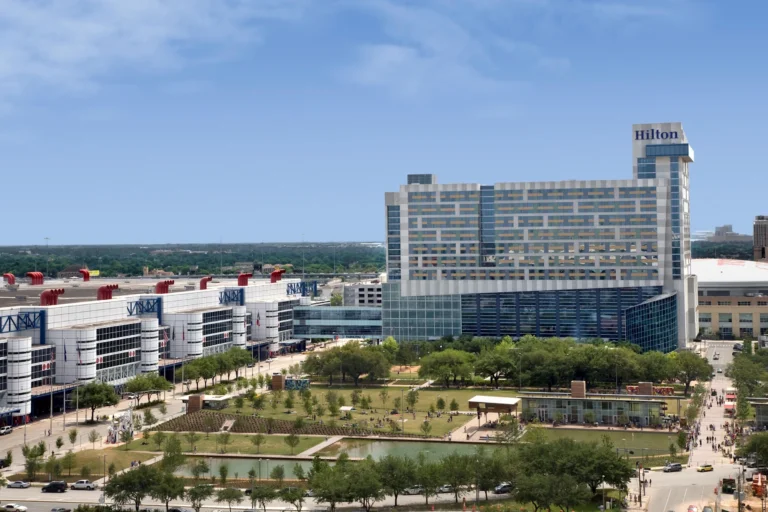
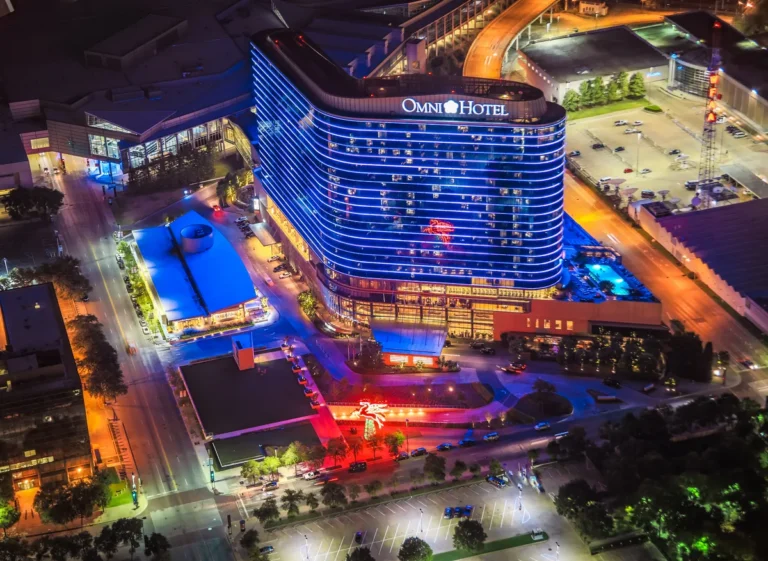
Premier Convention Hotel Hubs America: The Definitive Editorial Guide
The American landscape of large-scale professional exchange is anchored by a select group of metropolitan centers that have successfully integrated massive-scale hospitality with high-precision logistical infrastructure. These geographic clusters represent more than mere collections of guest rooms and meeting halls; they are high-functioning economic engines designed to facilitate the rapid movement of people, goods, and ideas. To understand the current state of these hubs is to observe a sophisticated intersection of urban planning, civil engineering, and corporate hospitality that has evolved significantly over the last half-century.
In the pursuit of identifying the most effective environments for industry-scale summits, one must look beyond total square footage.. This integration is the result of decades of strategic investment, where municipalities and private developers have collaborated to create “Campus-Style” districts that minimize the physical and psychological friction of corporate travel.
The evolution of these hubs reflects broader shifts in the American economy. As industries have become more specialized and globalized, the demand for “intelligent” meeting spaces has pushed these centers to incorporate advanced digital backbones, sustainable energy systems, and high-capacity culinary operations.
Understanding “premier convention hotel hubs america”
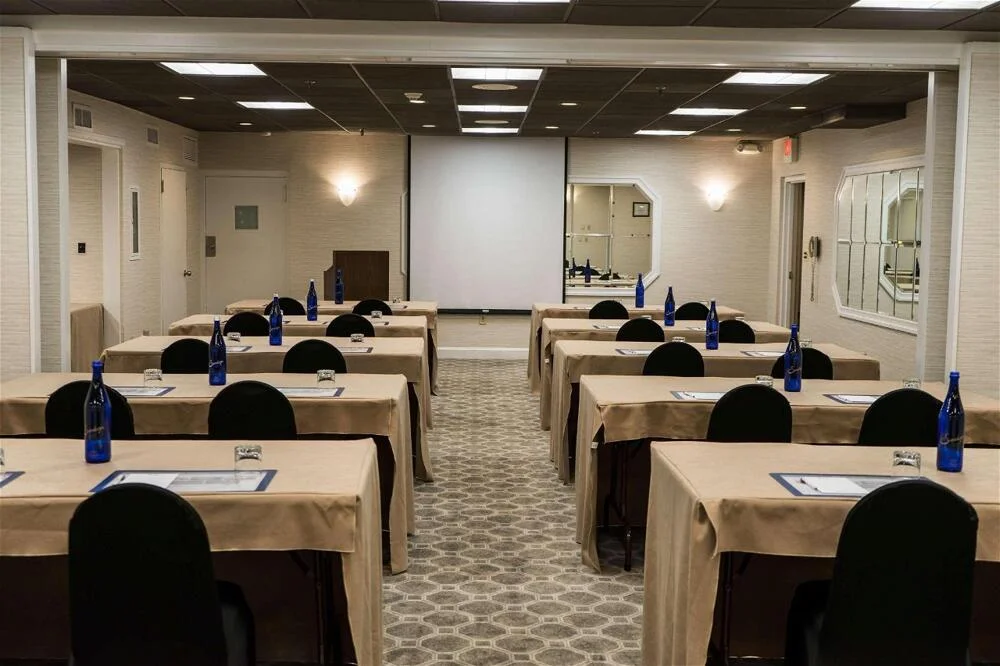
To effectively analyze premier convention hotel hubs america, one must first dismantle the oversimplification that “bigger is always better.” This refers to how well the hotel inventory surrounds the meeting space. A common misunderstanding in site selection is viewing the city as a whole rather than focusing on the “Convention Mile”—the specific radius where the bulk of professional interaction occurs. .
From a multi-perspective view, the “Best” hub is subjective based on the stakeholder. For the exhibitor, a premier hub is one with a flexible, non-combative labor environment and sophisticated drayage access. the attendee, it is a hub that offers “Walkable Variety”—the ability to find diverse dining and social options without requiring a vehicle. For the organizer, it is a market with “Compression Resilience,” or the ability of the city to absorb 50,000 visitors without the hotel rates spiking to a level that deters registration.
Oversimplification risks also extend to climate and regionality. It is a mistake to assume that “Sunbelt” cities are the only viable premier hubs. While the weather in the South and West offers year-round reliability, the “Legacy Hubs” of the Northeast and Midwest often provide superior density and public transit infrastructure that can be more efficient for international delegations.
Historical Evolution of the American Convention District
The American convention hub has moved through several distinct phases of urban development. In the early 20th century, meetings were held in “Grand Hotels” located in the central business districts of rail hubs like New York, Philadelphia, and Chicago. These were vertical operations, where the meeting space was literally stacked above the guest rooms.
The 1960s and 70s saw the rise of the “Suburban-Adjacent Center,” often built near newly expanded airports. These hubs prioritized vehicular access and parking over walkability, leading to the “Isolationist Model” of the convention experience. While efficient for the hotel’s bottom line, this model eventually led to “Attendee Burnout” and a demand for more culturally integrated experiences.
Today, we are in the era of the “Integrated District.” Modern premier hubs have returned to the urban core but with a vastly different architectural approach. The focus has shifted from “Space” to “Experience,” where the city itself serves as a backdrop for professional networking.
Conceptual Frameworks for Geographic Auditing
To evaluate the suitability of a hub with editorial and analytical rigor, one should apply these specific mental models.
1. The “Commute-to-Content” Ratio
This framework measures the time an attendee spends in transit versus the time spent engaging with professional content. A premier hub minimizes the “Transit Leakage.” If the average attendee spends more than 30 minutes traveling from their hotel to the show floor, the hub’s efficiency rating drops significantly, as this “Dead Time” directly impacts the event’s ROI.
2. The “Hotel-Center Integration” Index
This audits the physical connection between guest rooms and meeting halls. The highest tier of hubs features “Anchor Hotels” that are physically attached to the convention center. This framework posits that for every 100 yards of distance between the hotel and the center, there is a measurable decrease in the likelihood of attendees returning for evening social sessions.
3. The “City-Wide Compression” Model
This framework analyzes how the hub behaves when it is at 90% capacity. A premier hub has enough “Ancillary Inventory”—secondary and tertiary hotels—to prevent the market from becoming “Inaccessible” during peak dates. This model evaluates the elasticity of the local economy to handle sudden influxes of high-spending travelers without systemic service failures.
Key Categories of Premier Hospitality Hubs
The American market offers several distinct archetypes of premier hubs, each catering to different industry needs.
| Hub Category | Primary Strength | Trade-off | Representative Examples |
| The Mega-Campus | Unlimited scale; massive inventory | High complexity; “Sprawl” | Las Vegas, Orlando |
| The Urban Integrated | High walkability; cultural density | High labor costs; limited growth | San Diego, Boston, DC |
| The Sunbelt Powerhouse | Modern tech; lower labor costs | Weather dependency; car-centric | Dallas, Phoenix, Atlanta |
| The Regional Logistics Hub | Central location; efficiency | Lower “Glitz” factor | Chicago, Indianapolis, Columbus |
| The Boutique Tech Hub | Specialized industry focus | High room rates; tight inventory | San Francisco, Austin, Seattle |
Decision Logic: The “Niche-to-Hub” Filter
A heavy manufacturing expo requires the industrial drayage capacity of a Chicago or Atlanta, whereas a high-end medical summit may prioritize the “Serene Density” and high-end hospitality of a San Diego or Nashville.
Detailed Real-World Scenarios
Scenario 1: The “Global Product Reveal”
A tech giant needs to host 15,000 global partners for a simultaneous product launch.
-
The Constraint: Massive bandwidth, high-end VIP suites, and international flight connectivity.
-
The Selection: Las Vegas. The hub’s ability to provide 10,000+ rooms within a single campus ensures that the “Launch Energy” is contained and synchronized across all participants.
-
Failure Mode: Selecting a hub with dispersed inventory where the “Launch Moment” is diluted by different groups arriving at different times.
Scenario 2: The “Association Mid-Winter” Meeting
A professional association needs a warm-weather destination that is budget-friendly for members.
-
The Constraint: Low room rates and high “Walkability” to reduce Uber/Taxi costs.
-
The Selection: Orlando (Convention District) or San Antonio (Riverwalk). These hubs provide a “Controlled Environment” where costs are predictable and the social infrastructure is built into the district.
-
Second-Order Effect: High family-tourism overlap can sometimes crowd the social spaces, requiring the organization to buy out specific venues for “Private” networking.
Planning, Cost, and Resource Dynamics
The “True Cost” of a premier hub is rarely reflected in the room rate alone.
Range-Based Expense Dynamics Table
| Cost Lever | Tier 1 (Mega-Resort) | Tier 2 (Regional Hub) | Variability Lever |
| Average Room Rate | $250 – $450 | $180 – $280 | Seasonality / City-wide events |
| Drayage (Per CWT) | $120 – $200 | $80 – $130 | Union Labor Agreements |
| Daily F&B (per person) | $150 – $250 | $90 – $160 | Service Charges (24-30%) |
| Airport Transit | $15 – $50 | $20 – $60 | Light Rail vs. Ride-share |
The Opportunity Cost of Hub Inefficiency is the most significant hidden expense. If an attendee leaves a session early because the shuttle bus schedule is unreliable, the value of that “Missed Connection” is an invisible but real loss to the sponsoring organization.
Support Systems and Strategic Infrastructure
A premier hub is supported by a “Strategic Ecosystem” that goes beyond the hotel walls.
-
Convention & Visitors Bureau (CVB) Support: The elite hubs have highly proactive CVBs that act as “Event Architects,” assisting with everything from street closures to local permit navigation.
-
Public-Private Transport Links: High-frequency light rail or “Dedicated Loop” systems that move attendees between the airport and the convention district.
-
Digital Backbone: Cities that have invested in city-wide 5G and fiber-dense “Smart Districts,” allowing for seamless hybrid event broadcasting.
-
Specialized Labor Pools: Access to high-end AV technicians, professional security details, and banquet staff trained for “Mass-Scale” service.
-
Diverse Ancillary Venues: The availability of unique “Off-site” locations (museums, stadiums, historical sites) within a 10-minute radius of the hotel block.
-
Supply Chain Proximity: Proximity to major print-shops, catering suppliers, and exhibit-build houses to reduce last-minute shipping costs.
Risk Landscape and Systemic Failure Modes
Even in premier hubs, the risk is “Systemic.” A failure in one urban system cascades into the hospitality experience.
-
The “Compression Crisis”: When a hub over-books multiple massive events, leading to a breakdown in local ride-share availability and restaurant wait times that exceed two hours.
-
The “Labor Disruption” Variable: In union-dense hubs, a strike at a single major hotel or the convention center itself can halt an entire industry show.
-
The “Infrastructure Lag”: When a city’s hotel inventory outpaces its airport’s “Gate Capacity,” leading to astronomical flight costs and attendee attrition.
-
The “Atmospheric Integrity” Failure: When a professional hub’s social spaces are overwhelmed by unrelated public events (festivals, sports championships), diluting the business-focused atmosphere.
Governance, Maintenance, and Long-Term Adaptation
Premier hubs remain at the top tier through “Continuous Re-investment.”
-
The “Renovation Cycle” Audit: Before signing a multi-year deal, an organization must audit the “CapEx” (Capital Expenditure) schedule of the primary hotels.
-
Long-Term Governance Checklist:
-
[ ] Quarterly review of local airport expansion plans.
-
[ ] Audit of the city’s “Safety and Cleanliness” initiatives in the convention district.
-
[ ] Verification of new hotel openings to ensure inventory growth matches attendee growth.
-
[ ] Evaluation of the CVB’s “Incentive Packages” for recurring multi-year rotations.
-
Measurement, Tracking, and Evaluation
How do you evaluate the performance of a hub?
-
Quantitative: “The Walkability Score.” The percentage of the room block that is within a 15-minute walk of the center.
-
Qualitative: “Attendee Net Promoter Score (NPS).” Specifically asking: “How did the destination impact your ability to achieve your goals?”
-
Documentation: “The Compression Audit.” Tracking the average room rate paid by “Late-bookers” versus the “Early-bird” rate. If the gap is >40%, the hub is suffering from inventory scarcity.
Common Misconceptions and Oversimplifications
-
“Vegas is too distracting for business.” Correction: Data shows that Las Vegas hubs often have the highest “In-Room” attendance because the campus design keeps people from wandering into the city.
-
“Orlando is only for family-focused events.” Correction: Orlando’s “Orange County Convention Center” district is one of the most sophisticated, business-only environments in the world.
-
“Chicago is too expensive in winter.” Correction: Winter “Value Dates” in Chicago offer some of the highest “Luxury-to-Price” ratios in the premier tier.
-
“Secondary cities can’t handle international groups.” Correction: Cities like Indianapolis or Nashville are now purpose-built for efficiency and often outperform larger cities in “Service Cohesion.”
-
“Public transit doesn’t matter for US conventions.” Correction: For international attendees, a hub with a direct rail link to the hotel is often a primary decision factor.
-
“Hotel room counts are the only inventory that matters.” Correction: “Alternative Lodging” (short-term rentals) is increasingly part of the hub’s “Absorption Capacity.”
Ethical and Practical Considerations
In the current environment, the selection of premier convention hotel hubs america involves “ESG (Environmental, Social, and Governance) Alignment.” Leading hubs are those that have invested in “LEED-certified” convention centers and hotels that offer transparent “Carbon Offset” programs for large groups. A premier hub is one that contributes to the city’s long-term urban health.
Synthesis and Editorial Conclusion
The identification of a “premier” hub is a dynamic assessment of a city’s ability to act as a “Force Multiplier” for professional exchange. The elite tier of American destinations has moved beyond the provision of square footage; they are now providers of “Logistical Certainty.” In a world where time is the most valuable corporate currency, the hubs that will dominate the next decade are those that can effectively eliminate the “Distance between the Guest and the Goal.”
Ultimately, the choice of a hub is an editorial judgment on the event’s brand. A premier destination should act as an extension of the event’s authority, providing a sophisticated, seamless, and high-energy environment that justifies the significant investment of an industry’s time. As these hubs continue to evolve, the distinction between “Service” and “System” will continue to blur, creating “Smart Districts” where the city itself becomes the platform for global commerce.